
How to Set Realistic Weekly Goals for Better Productivity

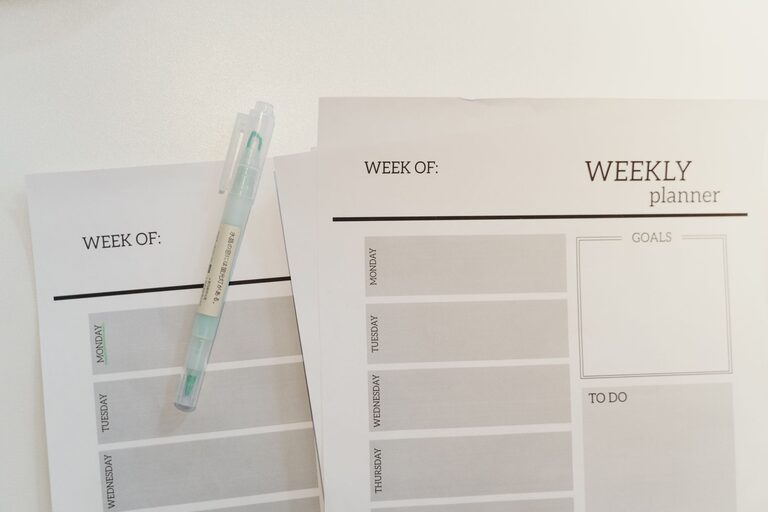
Setting weekly goals is a powerful way to boost productivity, stay focused, and make consistent progress toward your bigger dreams. However, unrealistic goals can lead to frustration and burnout. The key is to set goals that are achievable, clear, and aligned with your priorities.
In this post, we’ll explore how to set realistic weekly goals that help you stay motivated, organized, and productive — without the stress. Whether you’re managing work projects, personal tasks, or a mix of both, these tips will guide you to create goals that make a meaningful impact.
Why Set Weekly Goals?
Weekly goals break down larger projects or objectives into manageable steps. They help you:
– Stay focused: Clear goals guide your daily activities.
– Track progress: Weekly check-ins show how far you’ve come.
– Build momentum: Small wins boost motivation over time.
– Avoid overwhelm: Short-term goals feel less daunting than long-term ones.
Steps to Setting Realistic Weekly Goals
1. Reflect on Your Priorities
Before setting goals, take a moment to identify what truly matters this week. Ask yourself:
– What are my top priorities right now?
– Are there deadlines or important events coming up?
– What tasks will move me closer to my bigger objectives?
Knowing your focus areas helps prevent setting goals that distract or overload you.
2. Review Your Previous Week
Look back at last week’s goals and progress. Consider:
– Which goals did I complete? How did I achieve them?
– Which ones didn’t I finish? Why?
– What obstacles or distractions affected me?
This reflection informs realistic expectations for the upcoming week.
3. Use the SMART Criteria
Make sure your weekly goals are SMART:
– Specific: Clearly define what you want to accomplish.
– Measurable: Include criteria to track progress.
– Achievable: Set goals that are challenging but doable.
– Relevant: Ensure they align with your priorities.
– Time-bound: Focus on what you can finish within the week.
For example, instead of “work on blog,” set “write and publish one 800-word blog post by Friday.”
4. Limit the Number of Goals
Avoid overloading your week by limiting goals. A good rule is 3–5 main goals per week, depending on their complexity. This keeps you focused and prevents spreading yourself too thin.
5. Break Goals into Tasks
Divide each goal into smaller, actionable tasks. For instance, if your goal is to prepare a presentation, tasks might include researching, creating slides, and rehearsing.
Breaking goals down makes them less intimidating and helps you track progress daily.
6. Prioritize Your Goals
Rank your goals by importance or urgency. This helps when unexpected tasks come up—you’ll know which goals to focus on first or postpone if needed.
7. Schedule Time Blocks for Each Goal
Use your calendar or planner to allocate specific time slots for working on each goal or task. Time blocking helps protect your schedule and ensures steady progress.
8. Be Flexible and Adjust
Life can be unpredictable. If something urgent arises or a goal becomes unrealistic, adjust your plan. Flexibility reduces stress and keeps you moving forward without frustration.
Tips for Staying on Track
Use a Goal-Tracking Tool
Whether it’s a physical planner, a digital app, or a simple checklist, tracking progress keeps your goals visible and motivates you to keep going.
Celebrate Small Wins
Every completed task is a step toward success. Take time to acknowledge your accomplishments—it boosts morale and confidence.
Avoid Multitasking
Focus on completing one task at a time. Multitasking can reduce efficiency and increase errors.
Review and Plan Weekly
Set aside 10–15 minutes at the end of each week to review your progress and plan goals for the next week. Regular reviews reinforce habits and improve goal-setting skills.
Common Pitfalls to Avoid
– Setting vague goals: “Get organized” is unclear; specify what organizing means for you.
– Overcommitting: Saying yes to too many goals leads to burnout.
– Ignoring priorities: Don’t focus on less important tasks at the expense of key goals.
– Not tracking progress: Without tracking, it’s easy to lose focus or motivation.
Example Weekly Goals Plan
| Goal | Tasks | Priority | Deadline |
|————————–|——————————————-|———-|———-|
| Write blog post | Research topic, draft content, add images | High | Friday |
| Exercise 3 times | Schedule workouts, track sessions | Medium | Sunday |
| Organize workspace | Clear desk, sort files, clean area | Low | Wednesday|
This simple plan helps visualize what’s achievable and keeps you accountable.
Final Thoughts
Setting realistic weekly goals is about balance—challenging yourself enough to grow, but not so much that you feel overwhelmed. By reflecting on priorities, using clear criteria, and planning thoughtfully, you’ll create goals that drive progress and boost confidence.
Remember, the goal-setting process is flexible. With practice, you’ll learn what works best for you and develop habits that lead to sustained productivity and satisfaction.
Happy goal setting!