
Beginner Guide to Mindful Walking: Steps to Calm and Clarity

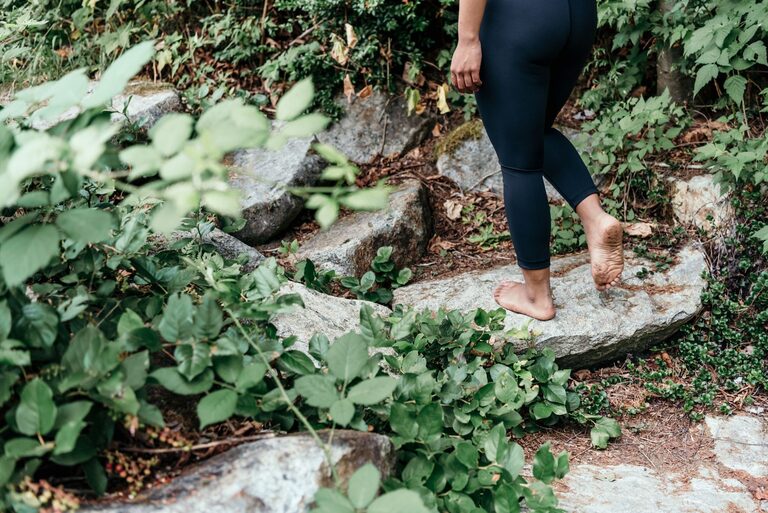
Mindful walking is a simple yet powerful practice that combines the benefits of physical activity with mindfulness—the art of being fully present in the moment. If you’re new to mindfulness or looking for a gentle way to reduce stress and boost your well-being, mindful walking can be an excellent place to start.
In this beginner guide, we’ll explore what mindful walking is, how to get started, and tips to deepen your practice. Whether you have just five minutes or a longer stretch of time, you can make mindful walking part of your daily routine.
What Is Mindful Walking?
Mindful walking is a form of meditation where you focus your attention on the experience of walking. Instead of walking on autopilot or lost in thought, you observe the sensations of your body, the rhythm of your steps, and the environment around you with curiosity and openness.
This practice helps to ground you in the present moment, reducing distraction and calming the mind. It’s especially useful for those who find sitting meditation challenging or prefer movement as a way to relax.
Benefits of Mindful Walking
– Reduces stress and anxiety: Focusing on your breath and movement can calm the nervous system.
– Improves concentration: It trains your mind to stay on one task, enhancing focus.
– Enhances body awareness: You become more in tune with physical sensations.
– Boosts mood: Being outdoors and engaging in gentle exercise naturally lifts spirits.
– Encourages healthy habits: It can inspire regular walking and mindfulness practices.
How to Start Mindful Walking: Step-by-Step
1. Choose Your Location
Pick a safe and quiet place where you can walk without too many distractions. It could be a park, a quiet street, your backyard, or even indoors if the weather isn’t favorable.
2. Set a Time Limit
If you’re new, start with 5 to 10 minutes. As you feel more comfortable, you can extend this to 20 or 30 minutes.
3. Begin with Intention
Before you start, take a moment to set an intention. This could be as simple as wanting to be present or to enjoy the walk without rushing.
4. Stand Still and Notice
Pause before you start walking. Feel your feet touching the ground, notice your posture, and take a few deep, calming breaths.
5. Walk Slowly and Deliberately
Walk at a pace that feels natural but slower than usual. Pay attention to each step, noticing how your heel touches the ground, then the ball of your foot, and finally your toes.
6. Focus on Your Breath and Movement
Synchronize your breathing with your steps if it feels comfortable. For example, inhale for three steps, then exhale for three steps. Notice the sensations in your legs, feet, and body as you move.
7. Observe Your Surroundings
Look around without judgment. Notice colors, shapes, sounds, and smells. Let your senses explore the environment fully but without getting caught up in thoughts.
8. Return Your Focus When Distracted
It’s normal for your mind to wander. When this happens, gently guide your attention back to your walking and breathing.
9. End with Gratitude
At the end of your walk, pause again to appreciate your body and the experience. You might close your eyes and take a few deep breaths before continuing your day.
Tips for a Successful Mindful Walking Practice
– Wear comfortable shoes: This helps you focus more on mindfulness rather than discomfort.
– Walk barefoot if possible: This can enhance your connection with the earth.
– Practice regularly: Even a few minutes daily can build mindfulness over time.
– Use a guided meditation: Apps or recordings can provide helpful prompts.
– Combine with journaling: After your walk, jot down any thoughts or sensations you noticed.
– Avoid multitasking: Leave your phone aside to reduce distractions.
– Be patient: Mindfulness is a skill that improves with practice; there is no “right” way.
Common Challenges and How to Overcome Them
Difficulty Staying Focused
It’s normal for your mind to wander, especially in the beginning. Try labeling distracting thoughts (“thinking,” “planning”) and gently returning your attention to your steps.
Feeling Self-Conscious in Public
Remember, mindful walking is a private experience. You don’t need to look a certain way; focus on your own practice, not what others might think.
Physical Discomfort
Start slow and choose a comfortable pace. If you have health concerns, consult your doctor before starting any new walking routine.
Incorporating Mindful Walking into Your Routine
– Morning walk: Start your day with calm energy.
– Lunch break: Use a short mindful walk to refresh your mind.
– Evening stroll: Wind down after a busy day.
– Nature walks: Take advantage of parks or trails for a deeper connection with the outdoors.
– Walking meetings: Try short, mindful walks while discussing ideas with colleagues.
Final Thoughts
Mindful walking is a gentle, accessible way to develop mindfulness while moving your body. It invites you to slow down, notice the small details, and connect with the present moment. With consistent practice, it can become a valuable tool for managing stress, improving focus, and enhancing overall wellness.
Give mindful walking a try the next time you head outdoors — your mind and body might thank you!