
Tips for Choosing Calm Colors to Create a Peaceful Home

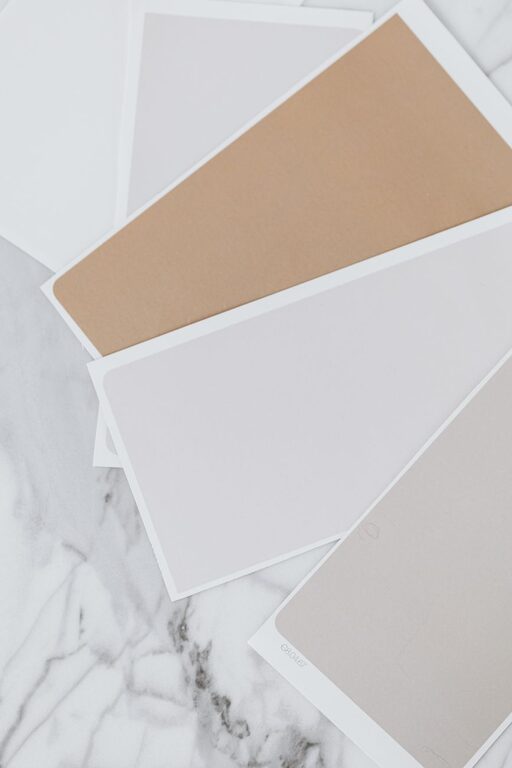
Creating a peaceful and relaxing environment at home starts with one key element: color. The colors you choose for your walls, furniture, and accents can significantly influence the mood and atmosphere of your space. Calm colors promote relaxation, reduce stress, and make your home feel like a sanctuary. If you’re planning to refresh your home’s look with soothing hues, these tips will help you choose calm colors that suit your style and space perfectly.
Why Choose Calm Colors for Your Home?
Calm colors such as soft blues, gentle greens, warm neutrals, and muted pastels encourage a sense of tranquility. These shades help slow down racing thoughts, making it easier to unwind after a busy day. They also create a subtle, timeless backdrop that complements a variety of decorating styles.
Using calm colors effectively can:
– Improve your overall mood
– Enhance focus and creativity
– Make your rooms feel more spacious and open
– Create harmony between different areas of your home
Tips for Selecting Calm Colors
1. Understand Color Psychology
Different colors evoke different feelings. Here are some commonly calming colors and their psychological effects:
– Blue: Often associated with calm and serenity, blue can lower blood pressure and reduce anxiety. Light blues work well in bedrooms and bathrooms.
– Green: Symbolizing nature and renewal, green promotes balance and harmony. Soft greens are ideal for living rooms and kitchens.
– Lavender: This subtle shade of purple is calming and soothing, perfect for bedrooms or relaxation areas.
– Neutrals: Whites, beiges, and soft grays create a peaceful base and allow other colors and textures to shine.
2. Choose the Right Shade and Tone
Not all shades of a color are equally calming. Look for muted, soft tones rather than bright or intense versions. For example, a dusty blue or sage green will feel calmer than a vivid turquoise or emerald. Matte or eggshell finishes also reflect less light, creating a softer ambiance compared to high gloss.
3. Consider Your Space and Lighting
The amount of natural light a room receives affects how colors look and feel. A color that is calming in a sunny room might feel dull in a darker space. Test paint samples on your walls and observe them at different times of day to see how they change in natural and artificial light.
4. Start with a Neutral Base
Using a neutral color as your wall color creates a calm backdrop that won’t overwhelm the senses. From there, you can add calming accent colors through furniture, textiles, and decor. This approach allows flexibility and makes it easier to update your look without repainting.
5. Limit Bold Colors
While pops of color can add personality, too many bright or bold shades can disrupt calmness. Use bold colors sparingly in accessories like throw pillows, art, or rugs to maintain a peaceful atmosphere.
6. Pay Attention to Room Function
Choose colors that match the purpose of each room. Bedrooms benefit most from cool and restful hues like light blue or lavender. Living rooms can incorporate soft greens or warm neutrals that invite relaxation and conversation. For home offices, gentle blues and greens can help maintain focus while reducing stress.
7. Use Color Harmonies
Pick colors that naturally complement each other for a cohesive and soothing palette. Monochromatic schemes (different shades of the same color) or analogous palettes (colors next to each other on the color wheel) work well to maintain harmony and calmness.
Practical Steps to Implement Calm Colors
Step 1: Gather Inspiration
Look for photos of rooms and homes that embody the calm vibe you want. Create a mood board with colors, textures, and decor ideas to guide your choices.
Step 2: Test Sample Paints
Purchase small paint samples and apply patches on different walls. Observe how they look throughout the day in varying light conditions.
Step 3: Coordinate Furniture and Decor
Select furniture and accessories in complementary calm shades. Soft fabrics and natural materials like wood and linen enhance the soothing effect.
Step 4: Incorporate Texture and Layers
Calm colors work best when combined with texture. Adding soft rugs, plush throws, and layered curtains creates warmth and depth without overwhelming the senses.
Step 5: Keep It Simple
Don’t overcrowd your space with too many colors or patterns. A clean, uncluttered room with a limited color palette feels more restful.
Final Thoughts
Choosing calm colors for your home is a wonderful way to create a space where you can relax and recharge. By understanding how colors impact mood and carefully selecting muted, soothing hues, you can design rooms that feel welcoming and peaceful. Remember to consider lighting, room function, and color harmonies to find the perfect balance. With these tips, your home will become a true haven of calm and comfort.