
Simple Ways to Reduce Household Paper Clutter Today

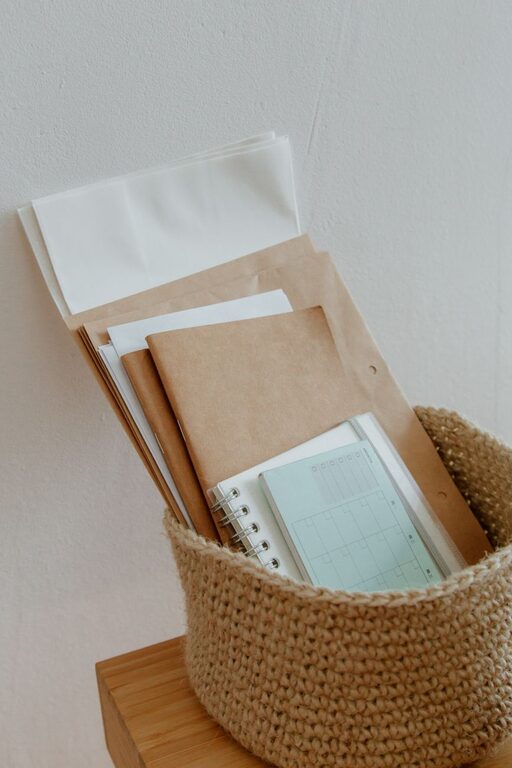
Keeping papers organized at home can be a challenge, especially when important documents, bills, and miscellaneous papers pile up quickly. Paper clutter not only takes up space but can also lead to stress when you can’t find what you need. Fortunately, there are simple and effective ways to reduce household paper clutter and keep your home feeling calm and orderly. In this post, we’ll explore practical steps to manage paper efficiently and maintain a clutter-free environment.
Why Paper Clutter Happens
Before tackling the clutter, it helps to understand why papers accumulate:
– Incoming mail and bills: Paper arrives daily or weekly, often in large amounts.
– Receipts and warranties: Many people keep these “just in case,” even if they never refer to them.
– School and work papers: Kids’ artwork, worksheets, or work documents can quickly build up.
– Miscellaneous notes and flyers: Coupons, reminders, and promotional materials often linger longer than necessary.
Understanding these sources helps you develop habits to control the flow of paper into your home.
Step 1: Create a Dedicated Paper Management Spot
Set up a specific area where all incoming papers go first. This could be a tray, basket, or filing box near your entryway or kitchen. Having one designated spot prevents papers from scattering around your home and gives you a central place to review and sort regularly.
Step 2: Sort Papers Immediately
When you bring papers home, try to sort them as soon as possible. Sort into categories such as:
– Action items: Bills to pay, forms to fill out.
– To file: Important documents like tax forms or warranties.
– Recycle or shred: Junk mail, outdated offers, or documents with personal info.
– Keep temporarily: Papers you need for short-term reference, like event tickets.
Sorting quickly reduces the chance of papers getting lost in piles.
Step 3: Digitize Important Documents
Many household papers don’t need to be kept in physical form. Use your smartphone or scanner to digitize documents such as:
– Receipts for major purchases or warranties
– Important records like insurance policies or medical papers
– Kids’ schoolwork or certificates you want to save
Store these digital copies in organized folders on your computer or cloud storage. This frees up space while keeping your important info accessible.
Step 4: Establish a Filing System
For papers you must keep, create a simple filing system using folders or binders labeled clearly. Common categories include:
– Finances (bank statements, tax returns)
– Medical documents
– Home and car maintenance records
– Personal documents (birth certificates, passports)
Keep files within easy reach, and review them annually to remove outdated papers.
Step 5: Reduce Incoming Paper
One of the best ways to lower paper clutter is to limit what comes in:
– Sign up for paperless billing and statements with banks, utilities, and other services.
– Opt out of junk mail and catalogs when possible.
– Use email or apps for coupons and receipts.
– Unsubscribe from mailing lists you no longer want.
Reducing incoming paper is a proactive step that makes managing what remains much easier.
Step 6: Manage Kids’ Paperwork Mindfully
Kids often bring home many papers from school or activities. To keep these organized:
– Set up a display area that rotates artwork or important notices.
– Create a memory box or binder for special projects or certificates.
– Recycle or recycle less important papers regularly to avoid overflow.
This helps honor your children’s creations without letting clutter take over.
Step 7: Regular Maintenance and Review
Decluttering paper is not a one-time task. Set a schedule to review and manage papers weekly or monthly. During these sessions:
– Pay bills and handle action items.
– File new documents.
– Shred or recycle unnecessary papers.
Regular maintenance prevents clutter from building back up and keeps your system working smoothly.
Step 8: Shred Sensitive Documents
For papers containing personal information, such as bank statements or medical records you no longer need, use a shredder instead of just recycling. This protects your privacy while reducing clutter.
Tools That Can Help
– Desktop organizer trays for sorting incoming papers
– Expandable file folders for easy filing
– Portable scanner apps for quick digitizing
– Shredder for secure disposal
– Label maker for clear filing system labels
Investing in a few simple tools makes paper management easier and more efficient.
—
Reducing household paper clutter is achievable with a few smart habits and a consistent approach. By creating dedicated spaces, sorting promptly, digitizing, and limiting incoming paper, you can keep your home organized and stress-free. Start small, and enjoy the benefits of a tidy environment today!